
Risk Management

Our risk management is based on network security and company data information. Identity theft as well as company information being stolen or leaked through means of hacking and employee theft or disclosure are real and can have detrimental effects. Our total solutions encompass monitoring and effectively curbing such threats from occurring. Risk management is the process of identifying, assessing and controlling threats to an organization's capital and earnings. These threats, or risks, could stem from a wide variety of sources, including financial uncertainty, legal liabilities, strategic management errors, accidents and natural disasters. IT security threats and data-related risks, and the risk management strategies to alleviate them, have become a top priority for digitized companies. As a result, a risk management plan increasingly includes companies' processes for identifying and controlling threats to its digital assets, including proprietary corporate data, a customer's personally identifiable information and intellectual property. In essence, our risk management services put you back in total control!
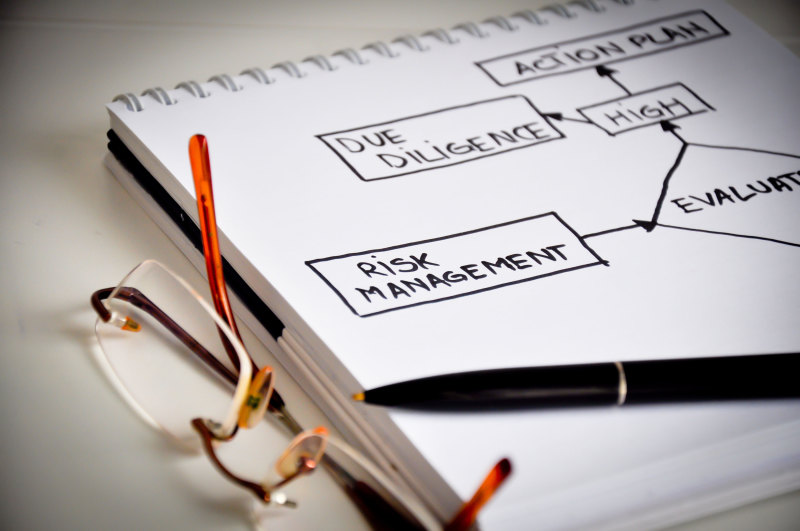
Risk management standards Since the early 2000s, several industry and government bodies have expanded regulatory compliance rules that scrutinize companies' risk management plans, policies and procedures. In an increasing number of industries, boards of directors are required to review and report on the adequacy of enterprise risk management processes. As a result, risk analysis, internal audits and other means of risk assessment have become major components of business strategy. Risk management standards have been developed by several organizations, including the National Institute of Standards and Technology and the ISO. These standards are designed to help organizations identify specific threats, assess unique vulnerabilities to determine their risk, identify ways to reduce these risks and then implement risk reduction efforts according to organizational strategy.
The ISO 31000 principles, for example, provide frameworks for risk management process improvements that can be used by companies, regardless of the organization's size or target sector. The ISO 31000 is designed to "increase the likelihood of achieving objectives, improve the identification of opportunities and threats, and effectively allocate and use resources for risk treatment," according to the ISO website. Although ISO 31000 cannot be used for certification purposes, it can help provide guidance for internal or external risk audit, and it allows organizations to compare their risk management practices with the internationally recognized benchmarks.

Risk management strategies and processes All risk management plans follow the same steps that combine to make up the overall risk management process: Risk identification. The company identifies and defines potential risks that may negatively influence a specific company process or project. Risk analysis. Once specific types of risk are identified, the company then determines the odds of it occurring, as well as its consequences. The goal of the analysis is to further understand each specific instance of risk, and how it could influence the company's projects and objectives. Risk assessment and evaluation. The risk is then further evaluated after determining the risk's overall likelihood of occurrence combined with its overall consequence. The company can then make decisions on whether the risk is acceptable and whether the company is willing to take it on based on its risk appetite. Risk mitigation. During this step, companies assess their highest-ranked risks and develop a plan to alleviate them using specific risk controls. These plans include risk mitigation processes, risk prevention tactics and contingency plans in the event the risk comes to fruition. Risk monitoring. Part of the mitigation plan includes following up on both the risks and the overall plan to continuously monitor and track new and existing risks. The overall risk management process should also be reviewed and updated accordingly.